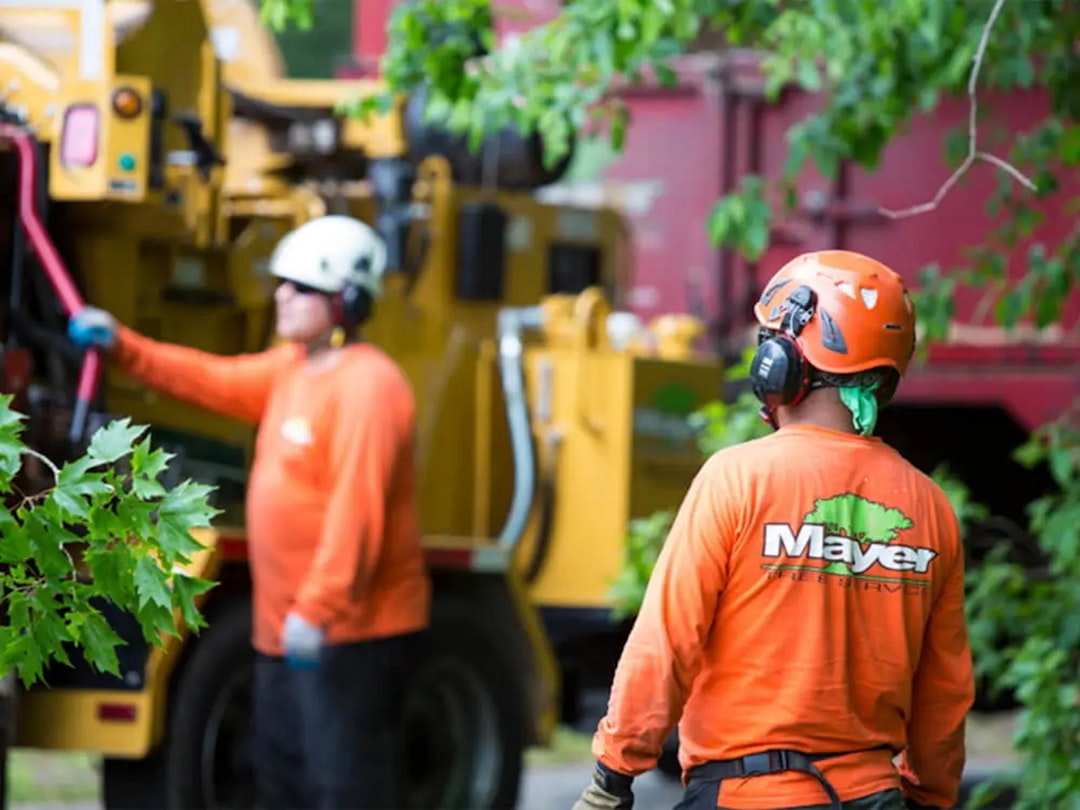
When should a Longview homeowner prune, remove or call an arborist for a large conifer?
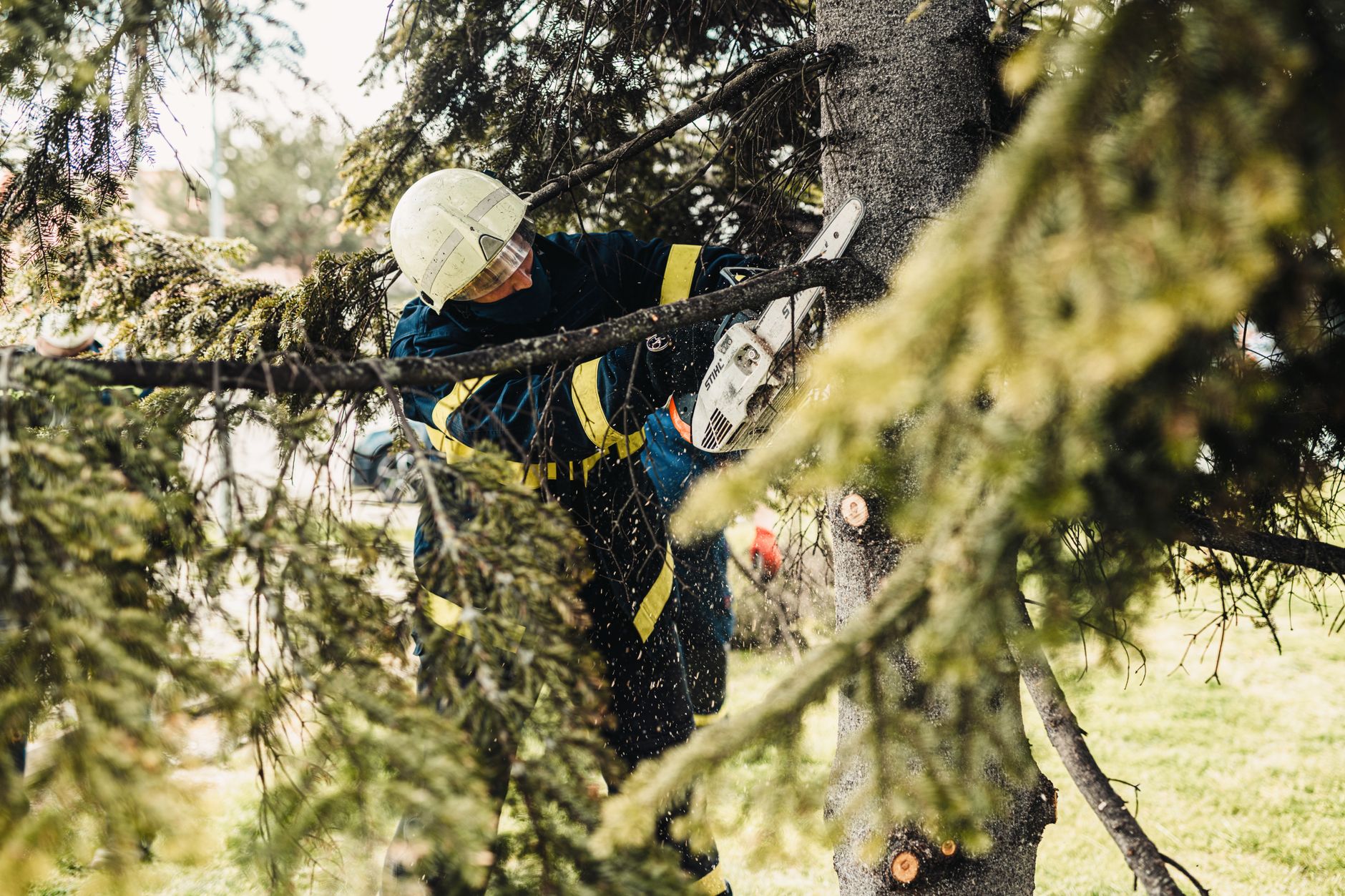
Call an arborist first when a Longview conifer is taller than the distance to the nearest roof, leans toward a structure, or has any limb within reach of a wire. Those three conditions turn a yard task into a rigging job. Pruning small, low branches on a sound tree is the one part a careful homeowner can do alone, and removal of a failing tree belongs to a crew with the right equipment.
The reason for the caution is local. Longview sits in the Piney Woods of East Texas, where loblolly pines, eastern redcedars and bald cypress reach great heights over red clay that holds water in winter and bakes hard in August. The same tree behaves differently in each season, and the timing of a cut matters nearly as much as the cut itself.
What height or lean makes a tree a call an arborist job?
A tree that could reach a building, a fence or a street if it fell is a call an arborist job. A mature loblolly pine in a Longview neighborhood commonly stands well above a single story house, and a limb dropped from that height lands with enough force to crack a roof deck. Lean is the second signal. A tree that has leaned the same way for years has usually adjusted its wood to carry the load, but a lean that appeared after a storm points to torn roots. A third signal is a cracked or split fork, where two main stems join in a narrow V. Included bark inside that fork weakens the union, and the stem can peel away in wind. A homeowner can photograph the tree from the same spot each season and compare, because slow changes are easy to miss when looking at the same tree every day.
How do Gregg County red clay and wet winters affect a pine's footing?
Gregg County red clay softens in winter rain and lets pine roots shift, which raises the chance of a tree tipping in wind. Pines in this region spread a wide, shallow root plate instead of a deep taproot once they are mature. When a week of rain saturates the soil, that plate loses grip, and a gust that a tree would shrug off in dry weather can push it over. Compaction from driveways, trenching for utilities and parked vehicles under the crown cuts roots and makes the problem worse. Watch for soil that heaves on one side, for fresh cracks around the base, and for water pooling beneath a tree after storms. When those signs show up in a wet season, schedule an inspection before the next front moves through.
Can a homeowner prune a loblolly pine alone?
A homeowner can prune a loblolly pine alone only up to the height of a safe reach from the ground, with a hand saw or pole pruner and no ladder on soft soil. Anything above that height involves climbing, and falls from trees cause some of the most serious injuries in yard work. Pine limbs are brittle when dead and heavy when green, so a cut that goes wrong can swing the branch back at the person making it. Use the three cut method on any limb thicker than a wrist, an undercut, a top cut a little farther out and a final cut at the collar, so the limb does not tear bark down the trunk. Keep cuts clean and flush to the branch collar, never flush to the trunk. Skip anything near a wire. Electric utilities in the area ask residents to call them rather than prune close to lines, and that advice is worth following every time.
What do pine bark beetles leave behind in a Longview yard?
Pine bark beetles leave small round exit holes, pitch tubes that look like popcorn kernels of resin, and needles that fade from green to yellow to red over a few weeks. The southern pine beetle is a known pest of East Texas forests, and engraver beetles move in when drought or storm damage weakens a pine. A beetle killed tree does not recover, and its bark loosens and falls away within a season or two. Removing the tree promptly helps because the beetles may spread to nearby pines, though a crew should confirm the cause before assuming it. Healthy pines resist attack by pushing out resin, so keeping soil moist during dry spells and avoiding root damage from construction gives them a better chance.
Should a stump be ground or left in place?
Grinding a stump is the better choice for a yard that will be used again, while leaving it is reasonable in a back corner that nobody walks. A ground stump removes a trip hazard and a place for termites and fungi to settle. A grinder works below the soil line, and the operator needs the locations of buried lines before starting. Pine stumps break down slowly in clay, and the roots can send suckers or host decay that reaches nearby trees. For a site where a new tree will go in, deeper grinding and a rest period of a few weeks help the soil settle before planting.
What should replace a removed conifer?
A native tree suited to the lot should replace a removed conifer, and the right choice depends on sun, space and soil. Bald cypress tolerates wet clay and drops its needles in fall. Eastern redcedar fits tight spots and holds up in summer heat. Live oak or a native oak gives broader shade where the conifer once stood, though it needs more space overhead and below. Plant in fall or early winter so the roots can settle before summer, set the tree at the depth it grew in the nursery, and keep the mulch ring a few inches back from the trunk. A tree that matches the site avoids the stress that invited beetles and root rot the first time around.
What should a homeowner do with fallen limbs and cut wood?
A homeowner should move fallen pine limbs away from healthy pines and away from the house, especially in warm months. Fresh pine slash attracts engraver beetles in spring and summer, and a pile stacked beside a living tree gives them a nearby home. Chip the small material for mulch, haul larger pieces away, or split and season firewood in a spot away from the foundation, because stacked wood invites termites. Limbs that landed on a fence or a shed should wait for a crew when the weight is shifting, since a stable looking branch can roll as soon as someone lifts one end. Take photos of storm damage before any cleanup in case an insurance claim follows, and mark any hanging limb with tape so nobody walks beneath it.
A last point on timing. Many Longview homeowners wait until a tree looks bad before acting, and that delay is what turns a simple pruning into an emergency removal. A short inspection each season, with a call to an arborist when any of the signs above appear, keeps the decision calm and the cost modest.